
Righteous Clothing Brand Review: Does It Deserve the Attention?
As interest in We Are Righteous keeps rising, a fair question surfaces: is the substance there, or is this one more instance of marketing outpacing what’s actually offered? Here, we examine what the label stands for, how the clothing performs in practice, and where it sits against other streetwear labels people mention in the same breath. Skipping the fluff and empty compliments — just a straightforward assessment built from what the brand communicates about itself and what shoppers consistently report.
We Are Righteous frames itself as more than simply a clothing line. The label embraces faith-driven messaging, treating clothing as a channel for identity and belief rather than just seasonal trends. This focus is significant since it informs all aspects, from the graphics on a righteous hoodie to the tone of the brand’s product descriptions. Should you be after something purely trend-chasing, the message-driven approach may fall flat. If you want clothing that says something specific, it’s a whole different story.
Breaking Down What Righteous Clothing Is
The concept behind Righteous clothing is straightforward: streetwear cuts carrying faith-rooted graphics and phrases. Outerwear, tees, and hoodies make up the core of the lineup, with design work that favors bold typography and bold graphic statements over subtle logo work. This is far from a subdued, basics-only label — each item aims to say something the moment it catches the eye.
Its branding plays into a niche that has grown substantially over the past few years: faith-based streetwear. Unlike traditional Christian apparel brands that lean heavily on scripture references and church-merch aesthetics, We Are Righteous brand design righteous scripture tee takes more cues from contemporary streetwear codes — roomy silhouettes, heavyweight fabrics, and graphic placement that mirrors what you’d see from mainstream hype labels. That crossover is part of why the brand keeps showing up in comparison searches alongside bigger streetwear names.
Drops are typically limited, not ongoing, which creates urgency but also means items may not come back in stock. For those accustomed to fast fashion’s constant stock, this can be something to get used to. For those already familiar with drop culture, it’s a known cadence that reinforces the brand’s collector appeal.
Quality Concerns Shoppers Commonly Raise
Discussions about quality for any clothing brand tend to zero in on three things: fabric weight, stitching durability, and print longevity. In the case of righteous apparel, hoodies are the item people talk about most, and the overall feedback points to a above-average weight fabric blend that retains its form after multiple washes. That extra heft is a deliberate choice — it signals a premium feel rather than a flimsy, factory-standard hoodie that wears down quickly.
Graphic durability is a key factor ranking second. Print-driven streetwear names live or die by how well the artwork survive repeated washing. Flaking, dulling, or lifting graphics are what most rapidly damages consumer trust, and it’s the area reviewers examine before anything else. In candid discussions found online often note that the graphics hold up reasonably well when washed according to care instructions, though cold, inside-out laundering extends the print’s life considerably, as with most screen-printed or puff-print streetwear. Graphic durability is the second major factor, since graphic-heavy brands live or die by how well their designs survive repeated washing, and cracking, fading, or peeling prints remain the quickest route to eroding buyer confidence—an aspect critics inspect before anything else.
A fitted silhouette isn’t what you’ll get if you buy true to size, because sizing here follows oversized streetwear norms— so choose a smaller size if that’s your preference. Such fit behavior is standard throughout most labels in the streetwear space, so it’s not a cause for concern unique to this label — it’s simply a fit philosophy shoppers ought to be aware of beforehand before placing an order.
Examining Price Versus Value
Perceived value always depends on which segment a brand is operating inside. We Are Righteous is positioned within the mid-tier streetwear category — set higher than fast-fashion essentials while sitting under upscale designer streetwear crossovers. This in-between placement is a conscious choice. This lets the brand work with denser materials and more intricate print design than an entry-level brand could offer, yet remaining within reach for a younger audience unwilling to pay designer prices for a hoodie.
Constrained releases likewise shape felt value. For over a decade, streetwear culture has built around the way limited supply generally increase resale demand and customer devotion. Depending on what someone values, this exclusivity approach can be seen as a strength by people who prize rarity, whereas it may frustrate those hoping for consistent availability.
How Righteous Compares to Other Urban-apparel Brands
As a way of clarifying We Are Righteous’s place in the market, here’s a look at how it stacks up against a couple of categories it’s commonly associated with: trend-driven streetwear labels alongside traditional faith-based apparel labels.
| Attribute | We Are Righteous | Popular Streetwear Buzz Labels | Traditional Faith-Inspired Garments |
|---|---|---|---|
| Design Approach | Faith-fueled statements with street-style cuts | Hype-led, rotating graphics | Scripture-heavy, church-merch vibe |
| Material Heft | Thick pullovers & t-shirts | Fluctuates greatly by brand as well as price point | Often lighter, cost-driven material |
| Stock Approach | Scarce drops, restocks never assured | Limited releases, high secondary-market demand | Usually always in stock |
| Cost Range | Mid-tier streetwear cost | Mid to high-end, often inflated due to demand | Affordable to moderate |
| Target Buyer | Faith-oriented, fashion-aware customers | Trend-focused, buzz-motivated buyers | Church communities, casual faith wear shoppers |
This comparison shows one thing plainly: We Are Righteous carves out its own space rather than attempting to serve every audience. The brand draws on conventional streetwear’s release-drop approach and material quality, all while retaining the faith-rooted foundation of traditional faith apparel. That hybrid identity is arguably its biggest differentiator in 2026’s crowded apparel market.
Who Really Should Buy Righteous Apparel
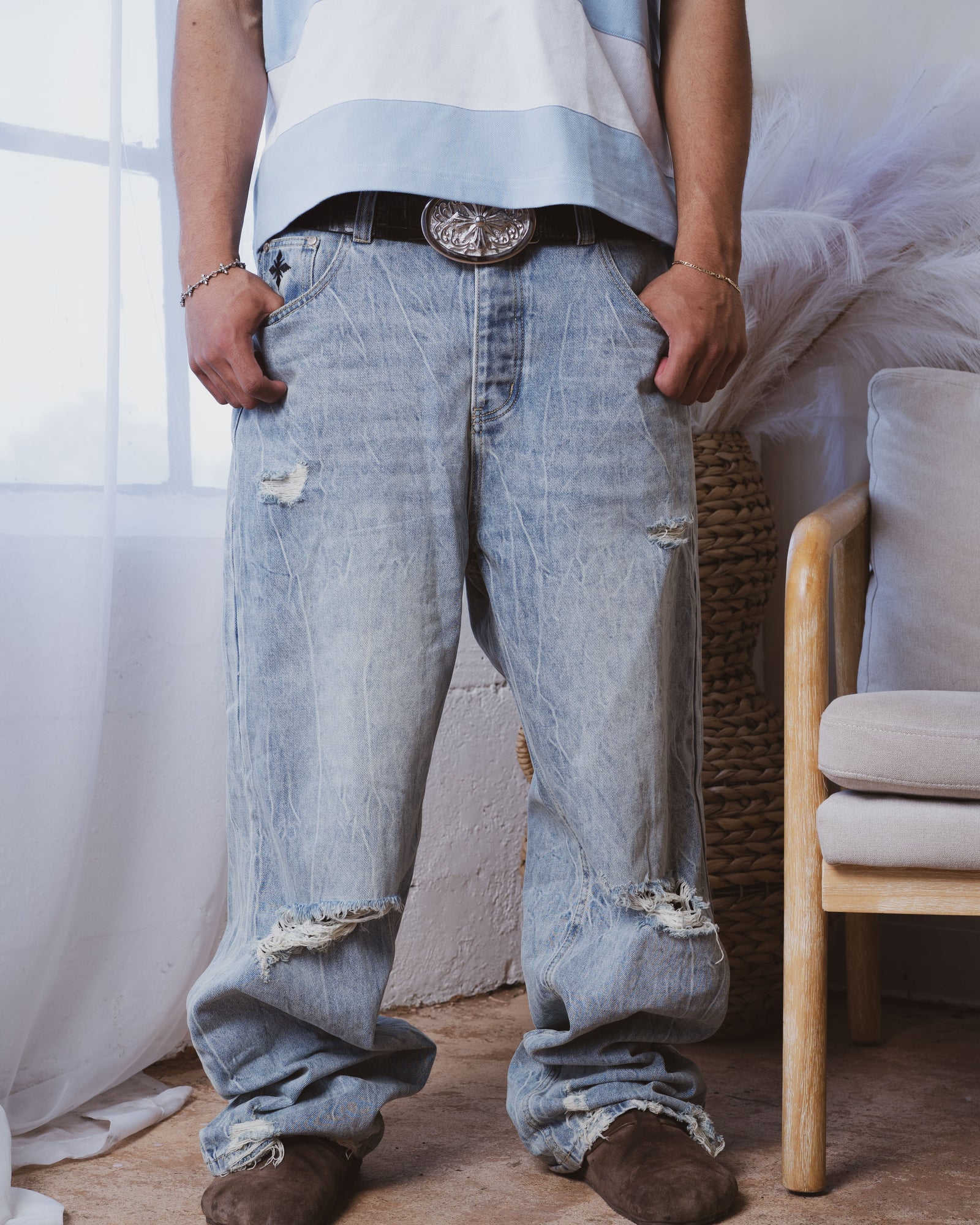
Every shopper won’t find the right fit in every brand, and transparency on that point carries more weight than across-the-board approval. For people who want their faith displayed in a current, easy-to-wear way, Righteous clothing is the best fit — rather than via old-fashioned graphic tees, but through items that could pass as elevated streetwear to the casual eye. When personal style and belief both rank high to someone, this brand bridges that divide more effectively than most competitors out there.
This model also works well for buyers who are willing to accept holding out for drops or being okay with the fact that a style might not restock. Buyers who require guaranteed stock availability all year, or who value most the most affordable cost, may find the model less suited to their needs. That’s not a shortcoming so much as a disconnect in what’s expected — streetwear-style limited-drop formats were never built around nonstop stock presence.
Younger buyers, particularly those already engaged with streetwear culture, seem to respond most strongly to the brand’s messaging. The graphic language speaks in a tone that feels current rather than dated, which matters enormously in a category where “faith apparel” has historically skewed toward older, more conservative design choices.
Last Word: We Are Righteous — Worth the Hype?
We Are Righteous has built its expanding reputation not through marketing buzz alone, but through fabric quality, print durability, and a clearly defined brand identity. Its hoodies are made from sturdier fabric than standard budget streetwear, the prints hold up with correct care, and the messaging carries genuine intent rather than feeling like an afterthought trend. That combination is what separates brands that stand the test of time from ones that disappear after just one hype cycle.
Where the brand asks for patience is availability — limited drops mean popular designs can sell out and stay out of stock for a while. That’s a legitimate consideration for shoppers who hate waiting or refreshing a site for a restock. But for buyers who want streetwear with substance behind it, We Are Righteous review feedback tends to skew favorable throughout, and the brand’s standing in 2026 reads less as a fleeting fad and more as a label settling into a defined identity.
Buyers who want their clothing to mean something are squarely who this is designed for — and put simply, the buzz checks out on closer inspection. This isn’t baseless excitement; it’s hype built on a product that largely lives up to what it promises.