
The Nature of Luck in Gambling
Luck is often perceived as a mysterious force that can dramatically influence outcomes in various games of chance. In a casino setting, players frequently attribute their wins or losses to luck, suggesting that some individuals seem to possess a special gift for winning. This belief in luck creates a psychological environment where players are more inclined to continue engaging in gambling activities, often exploring casino sites fast withdrawal options fueled by the hope that their fortunes might change. Yet, it is essential to understand that luck is inherently random and cannot be systematically controlled or predicted.
The concept of luck in gambling can be explored through various examples across different casino games. For instance, in a game of roulette, a player might hit a winning number repeatedly, leading them to believe that they carry good luck. Conversely, another player may experience several losses in a row, reinforcing the idea of bad luck. These occurrences highlight how luck can shape individual experiences in a casino, but it remains essential to distinguish between luck and the underlying mathematical probabilities that govern these games.
Ultimately, while luck certainly plays a role in short-term outcomes, it does not necessarily dictate long-term success in the casino. The randomness associated with luck can lead to fluctuations in results, yet consistent success in gambling relies more on skill, strategy, and an understanding of game mechanics. This raises the question of whether players can develop systems to mitigate the unpredictability of luck, thereby enhancing their chances of success over time.
The Role of Skill and Strategy
While luck can momentarily affect a player’s success in a casino, skill and strategy often dictate long-term results. Many games, such as poker and blackjack, require a significant amount of knowledge and expertise. Successful players understand the importance of probability, psychology, and game rules, which allow them to make informed decisions that can outweigh the randomness of luck. Hence, while they may experience occasional lucky streaks, their success mainly stems from their ability to navigate the complexities of the game.
In poker, for example, players make calculated decisions based on their understanding of odds, opponent behavior, and game dynamics. These strategic choices enable them to maximize their potential winnings and minimize losses, demonstrating that while luck influences individual hands, skill creates an avenue for consistent success. Moreover, experienced players often have a more profound understanding of when to take risks, thereby capitalizing on moments where luck may be favoring them.
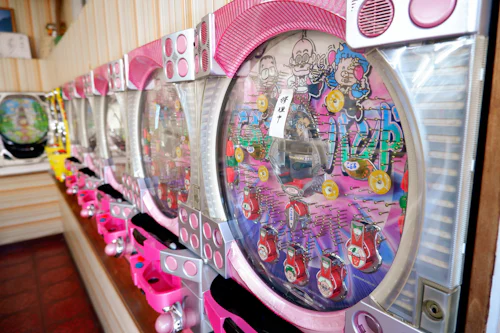
Even in games that are less skill-based, like slot machines, players can implement strategies to optimize their gameplay. Understanding how machines are programmed and their payout percentages can allow players to choose which games to play and when to stop. This strategic approach indicates that while luck may cause a win or loss, informed decision-making can significantly enhance a player’s overall experience at the casino, blending luck with calculated choices for better outcomes.
The Psychological Aspect of Luck
The psychology of luck plays a significant role in how players perceive their experiences in casinos. Many gamblers fall victim to the “gambler’s fallacy,” believing that past events will influence future outcomes. For instance, if a player has not won for an extended period, they may feel compelled to believe they are “due” for a win, which can lead to increased betting and even larger losses. This psychological misconception demonstrates how deeply luck is entwined with human emotions, shaping players’ behaviors and decisions.
Additionally, the notion of luck can lead to a phenomenon known as confirmation bias, where players focus on instances that support their beliefs about luck while ignoring contrary evidence. For example, someone who frequently wins may pay more attention to those wins as proof of their luck, disregarding their losses. This psychological framework reinforces the idea that luck is a critical factor in casino success, often misleading players about the realities of gambling.
Ultimately, understanding the psychological aspect of luck is vital for players to develop healthier gambling habits. By recognizing that luck can be an unpredictable force, gamblers can learn to manage their expectations and approach games with a more balanced perspective. This awareness allows them to enjoy the thrill of gaming without becoming overly reliant on the luck factor, fostering a more sustainable and responsible gambling experience.
The Impact of Casino Environment on Perceived Luck
The casino environment itself can significantly influence how players perceive luck. Casinos are designed to evoke excitement and thrill, with bright lights, engaging sounds, and enticing promotions that create an atmosphere where luck seems palpable. This carefully crafted ambiance encourages players to believe that they can strike it lucky at any moment, contributing to a sense of optimism and enthusiasm surrounding their gambling experiences.

Moreover, the presence of other players can affect an individual’s perception of luck. When in a lively atmosphere, a player might feel energized by the excitement surrounding them, leading them to believe that luck is on their side. For instance, players sitting at a table with a series of wins may feel motivated to join in, believing that the “luck” of the table can extend to them. This social dynamic enhances the experience but may also cloud judgment regarding the role of luck in actual outcomes.
However, it’s essential to recognize that the casino environment can create an illusion of luck. The constant stimulation and excitement may lead players to ignore the inherent risks of gambling and the reality that, over time, luck tends to balance out. While a vibrant casino atmosphere can enhance the experience, it is crucial for players to remain grounded in their understanding of gambling mechanics and not to attribute their success solely to luck.
Conclusion and Responsible Gambling
In conclusion, while luck undeniably plays a role in the outcomes players experience in casinos, it should not be viewed as the sole determinant of success. Players who wish to achieve sustainable wins must recognize the balance between luck, skill, and strategy. Understanding the nature of luck, enhancing one’s skills, and being aware of psychological factors can significantly improve a player’s overall experience and success at the casino.
Additionally, it is vital for players to engage in responsible gambling practices. Recognizing that luck can fluctuate and that losses are a part of the gambling experience can empower players to make more informed decisions. Establishing limits, maintaining a budget, and enjoying the thrill of the game without excessive reliance on luck can foster a healthier attitude towards gambling.
For those looking to learn more about the fascinating world of casinos and improve their gambling strategies, our website offers valuable resources, tips, and insights. By understanding games more thoroughly and incorporating strategic approaches, players can navigate the unpredictable nature of luck while enhancing their overall gaming experience. Explore our comprehensive guides and articles to enrich your gambling journey and make the most of your time in the casino.