
Understanding the House Edge
The concept of the house edge is fundamental to understanding how casinos operate. This term refers to the mathematical advantage that the casino holds over players in any gambling game. For instance, in games like roulette, the house edge ensures that, over time, the casino retains a portion of all bets placed. Many players enjoy the thrill of gaming, particularly when they explore options such as casino online nz , where they can find various games with different odds. This advantage varies depending on the game; for example, slot machines often have a higher house edge compared to table games like blackjack, which can offer skilled players opportunities to reduce the house’s advantage through strategic play.
Many players mistakenly believe that the house edge can be beaten by luck alone. However, the odds are designed to ensure that the house pays out less than the total amount wagered over the long term. This long-term perspective highlights that while a player may occasionally win, consistent winnings are statistically unlikely. Understanding how the house edge works can help players make informed decisions about which games to play and how to manage their bankroll effectively.
Moreover, the house edge is not just an abstract number; it translates into real outcomes in the casino setting. For instance, if you wager one dollar on a game with a 5% house edge, you can expect to lose about 5 cents on average for every dollar wagered across numerous plays. This economic model demonstrates why the odds are skewed in favor of the casino, debunking the myth that players can consistently outsmart the house through luck or strategies alone.
The Fallacy of Hot and Cold Streaks
Another prevalent myth among casino-goers is the belief in hot and cold streaks. Players often think that if a game is “hot,” it means they are more likely to win in the immediate future, while a “cold” game indicates it will be a long time before a win occurs. This belief stems from the gambler’s fallacy, which mistakenly suggests that past outcomes can influence future results in a game of chance. In reality, each spin of a slot machine or roll of the dice is independent of previous outcomes and is governed by random number generators or fixed probabilities.
The idea of hot and cold streaks can lead to significant financial losses, as players may increase their bets during perceived hot streaks or chase their losses after cold streaks. For example, a player might continue to bet on a specific slot machine that has recently paid out, believing it will keep winning. However, since each outcome is independent, the player is merely gambling on their hopes rather than the reality of the game’s mechanics. This misunderstanding can cause players to lose sight of their bankroll management.

Addressing the myth of streaks is crucial for responsible gambling. Players should approach casino games with an understanding that outcomes are random and to avoid falling into psychological traps that can lead to compulsive betting. Recognizing the true nature of the games can enhance enjoyment and reduce the chance of adverse financial results. Ultimately, players who understand that luck operates independently of past outcomes can make more rational decisions.
The Myth of Skill-Based Games
While many believe they can significantly improve their chances of beating the house through skill, it’s essential to clarify what this means in different contexts. In games like poker or blackjack, skill certainly plays a role. Players can employ strategies that minimize the house edge and influence outcomes through decision-making. For instance, in blackjack, employing basic strategy can lower the house edge to as little as 0.5%. However, this does not guarantee consistent wins, as these games still operate under the inherent randomness of card distribution and player behaviors.
On the other hand, games like slots or roulette rely exclusively on chance, meaning there is no skill to be applied. Players might mistakenly assume that understanding trends or mechanics gives them an edge, but the reality is that these games are designed to be unpredictable, with outcomes determined entirely by luck. Consequently, while skill can influence some games, players should be aware that in many casino offerings, the outcome remains unpredictable, reinforcing the house’s advantage. This understanding should shape players’ expectations and strategies.
Understanding the role of skill versus chance can help players set realistic expectations and engage more responsibly with gambling. A player who recognizes that they cannot consistently beat the house and that the game is primarily for entertainment may find a healthier approach to their gaming experience and avoid the pitfalls of chasing unrealistic outcomes. This mindset shift can significantly impact how players approach their time in a casino.
The Illusion of Systems and Strategies
Throughout the history of casinos, players have devised numerous systems and strategies that claim to guarantee a profit. From betting systems like Martingale to complex formulas aimed at predicting outcomes, these systems often create a false sense of security. The underlying problem with these strategies is that they fail to acknowledge the house edge, which consistently tips the odds against the player over time. No system can overcome randomness inherent in casino games, as outcomes are often unpredictable and variable.
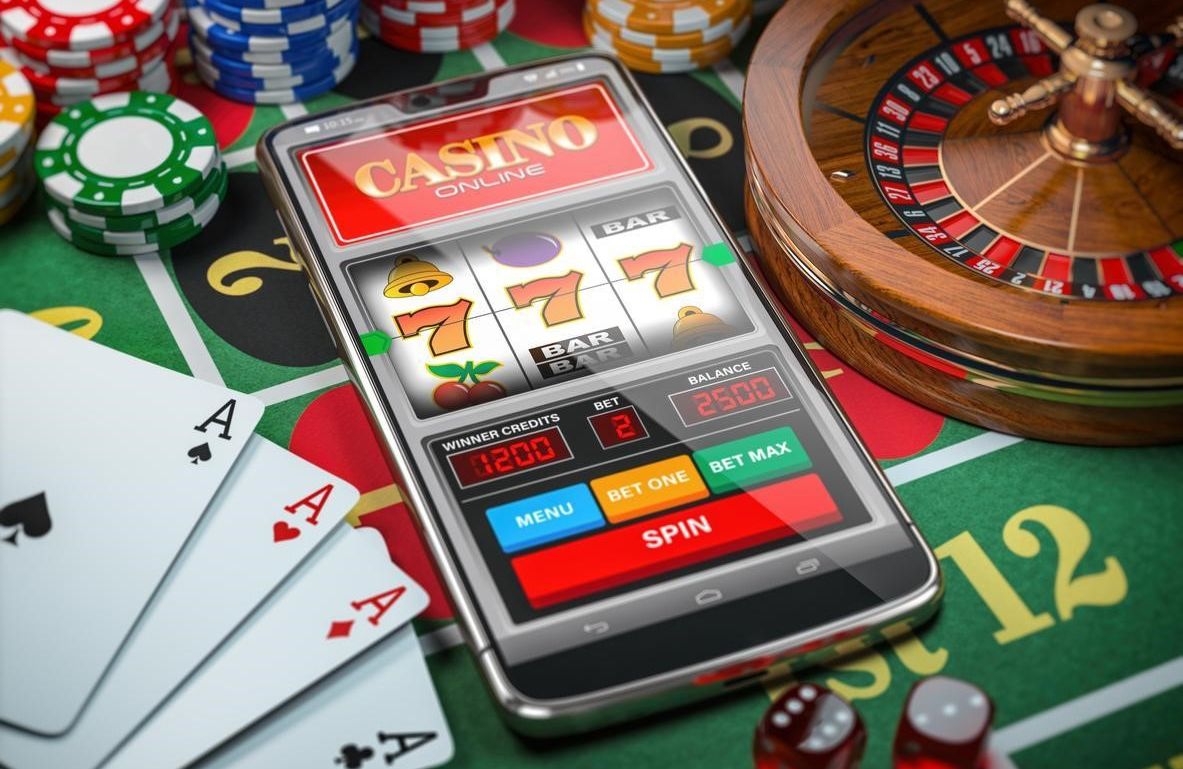
Players may become enamored with certain strategies due to anecdotal success stories or persuasive marketing. However, it’s important to remember that what may seem like a winning system in the short term does not hold up statistically over the long run. Casinos thrive on the understanding that players will fall into the trap of using these systems, thus ensuring continued profitability for the house. Acknowledging the limitations of these strategies can prevent players from investing time and money into methods that ultimately lead to disappointment and frustration.
Recognizing the futility of attempting to outsmart the house through systems can empower players to approach their gambling experience more realistically. Focusing on the enjoyment and social aspects of gaming, rather than the pursuit of profit, can create a more fulfilling experience. Moreover, players can derive satisfaction from the entertainment value of the games rather than the monetary outcomes, leading to a healthier relationship with gambling.
Concluding Thoughts on Casino Myths
Debunking the myths surrounding casino gaming is essential for fostering a more informed player base. Understanding the mechanics of games, the influence of house edge, and the reality of randomness can help players make better decisions and enjoy their experiences more fully. It’s crucial to separate fact from fiction and recognize that while casino games can offer excitement and entertainment, they are not designed for guaranteed success. The thrill of the game should not overshadow the importance of understanding its nature.
Educating oneself on the realities of gambling can enhance enjoyment and minimize risks. Players should approach casinos with a mindset of entertainment rather than profit, which can lead to healthier gambling habits. Ultimately, the goal of engaging with casino games should be about enjoyment and shared experiences, rather than the pursuit of beating the house. This perspective allows for a more sustainable approach to gaming.
Engaging with knowledgeable sources and resources dedicated to responsible gambling can support players in making informed decisions. Websites that provide guidance on understanding games, odds, and player strategies can be invaluable in navigating the world of casinos. Remember, the best approach to gambling is to prioritize fun, be aware of the odds, and play responsibly. By doing so, players can enjoy the exciting atmosphere of casinos without falling victim to the myths that often cloud judgment.