
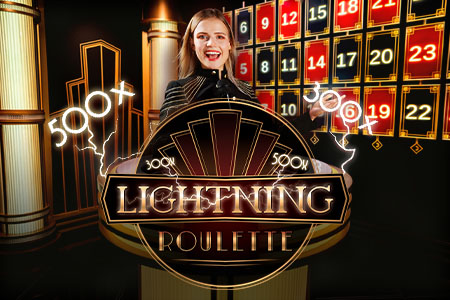
Players browsing climatecatalyst.net may find that the hardest part of choosing an online casino is not locating games, but narrowing a large catalogue into something manageable. A useful discovery process starts with the type of experience wanted, then considers pace, presentation, features and whether a title can be sampled before playing for money. The casino described here brings slots, instant games, table games, live dealer formats, jackpots and game shows into one lobby. Availability can change by location and provider, so the catalogue should be treated as a moving selection rather than a fixed list.
Start with the kind of game you actually want
Video slots are usually the broadest category and suit players who want automated rounds, varied themes and frequent feature mechanics. The lobby includes collections from studios such as Pragmatic Play, Playtech, Hacksaw Gaming, Spinomenal, Amusnet, Novomatic, Playson and Yggdrasil. Other listed providers include Microgaming, BGaming, Habanero, Evoplay, Quickspin, Thunderkick, Stakelogic and Play’n GO. Each studio tends to have its own visual style and approach to bonuses, so filtering by provider can be more useful than scrolling through every title.
Instant games offer a different rhythm. They are generally built around short rounds and simple outcomes, although the exact rules, volatility and available features vary by title. Table games provide another route, with familiar formats such as roulette, blackjack, baccarat and dice. These categories may appeal to people who prefer recognisable rules over elaborate slot narratives, but the individual game information still matters. Paytables, betting ranges, side bets and rule variations should be checked before committing funds.

Live casino games add a streamed dealer and a more social presentation. The available sections include roulette, blackjack, baccarat, dice, game shows, international tables, poker and Gold Saloon. Jackpot collections are also separated into Hot Jackpots, Lucky Jackpots and New Jackpots. These labels help with discovery, but they do not establish that a game is better value or more likely to win. They are navigation tools, not performance guarantees.
Use the lobby filters before opening individual titles
A large catalogue becomes easier to handle when filters are used in a deliberate order. Begin with the broad category—such as slots, live casino, table games or jackpots—then narrow by provider if a particular software style is familiar. Curated labels such as new, popular, exclusive and feature-based collections can provide a starting point, especially for someone who does not yet know a studio or title.
Feature filters can also reveal a preferred style of play. A player might look for cascading wins, free-spin rounds, progressive-style jackpots, multiplier mechanics or a particular theme. However, a filter name does not explain the financial characteristics of a game. Open the information panel for the selected title and look for its paytable, symbols, rules, minimum and maximum stakes, and any stated return or volatility information. If those details are not displayed clearly, choosing another title may be the more practical decision.
Availability is not necessarily identical for every visitor. The source material notes that country and software-provider restrictions can affect which games appear. A title shown in a general catalogue may therefore be unavailable after signing in, or it may disappear when the provider changes its distribution. Game counts and collections can change as well. Treat filters as a current browsing aid rather than a permanent promise about the catalogue.
When is demo play useful—and when is it not?
Selected titles offer demo play, with visible examples including Gates of Olympus 1000, Big Bass Splash, Lord of the Ocean, Sugar Rush 1000, Crime King 1000, Double Lucky Clovers and Wild Hot 40. A demo mode can be useful for learning the interface, locating the paytable and understanding how a feature is triggered. It can also show whether the pace, sound and screen layout are comfortable on a particular device.
Demo rounds should not be mistaken for a reliable test of long-term results. A short session cannot establish a game’s actual return, volatility or likelihood of producing a bonus feature. Random outcomes remain random, and a favourable or poor sequence in free play says little about what may happen during paid play. Demo access may also omit account, stake or promotional conditions that apply when real money is involved.
Use a simple inspection routine: read the rules, identify the minimum and maximum stake, check whether all features are explained, and decide whether the game’s pace suits the amount intended for entertainment. If a title cannot be tried in demo mode, that is not automatically a warning sign; it may simply reflect provider settings. The important point is to avoid treating a brief preview as proof of quality, profitability or suitability.
Compare live tables, jackpots and standard games carefully
Live dealer games and standard digital table games may share the same basic name while offering different experiences. Live formats use a streamed table and dealer, while standard versions are controlled through software and usually move at a different pace. Compare the rules, table limits, side bets and interface rather than assuming that one format is inherently superior. A visually polished presentation does not change the underlying house advantage or the risk of losing money.
Jackpot games deserve similar care. A jackpot label can make a title appear especially attractive, but it does not explain how prizes are funded, how often they are awarded or whether a particular game has different mechanics from a standard slot. Read the game information and promotional terms separately. A collection called Hot Jackpots, Lucky Jackpots or New Jackpots is a way to organise titles, not evidence that a prize is due or that the next round has improved odds.
Game shows and feature-led titles can be engaging for players who enjoy decision points, multipliers or a stronger sense of progression. They can also make rounds feel faster and encourage repeated play. Set a time and spending boundary before exploring them, and stop when that boundary is reached. For broader background on gambling responsibilities and the regulatory environment, readers can consult New Zealand’s official gambling overview. It should be used as general information, not as confirmation of any individual game’s availability or terms.
Make a short list instead of chasing every new release
After browsing, create a small shortlist of perhaps three to five titles across the formats that genuinely appeal. For each one, record the category, provider, key mechanics, stake range and whether demo play is available. This prevents a constantly expanding catalogue from turning into impulsive selection. It also makes comparisons more meaningful: a live blackjack table should be assessed against similar tables, not against a jackpot slot with entirely different mechanics.
Review the title information again immediately before playing, because names, rules and availability can change. Promotional eligibility may also be separate from ordinary game access. If a bonus is active, read its applicable terms before choosing games, since contribution rates and other conditions can differ. Do not select a game merely because it appears in a featured, exclusive or popular collection.
Finally, regard discovery as a way to find suitable entertainment, not a system for predicting outcomes. Choose formats whose rules you understand, keep the stake proportionate to a fixed entertainment budget and take breaks between sessions. If the catalogue feels confusing or if a game’s conditions are unclear, leave it and choose a better-documented alternative. A smaller, understood shortlist is usually more useful than endless scrolling.
Questions players often ask about game discovery
Can every listed game be played in New Zealand?
No. Game access can depend on the player’s country, software-provider restrictions and changes to the catalogue. A title visible in a general lobby may not be available to every account. Check the game page and the applicable account information at the time of play rather than relying on a previous listing.
Does demo play show the real outcome pattern?
No. Demo play can help explain controls, rules and features, but a short session cannot verify a game’s long-term return, volatility or likelihood of winning. Treat it as an orientation tool only. Paid play remains subject to random outcomes and the game’s stated rules.
Are jackpot or popular labels recommendations?
They are catalogue labels, not guarantees of better value or improved chances. Jackpot collections group titles around a prize format, while popular or featured labels reflect how the lobby organises games. Read the paytable, rules, stake information and any relevant terms before deciding whether a title suits you.